People and shared moments
One cup, a thousand conversations: the drinks that bring us together
A mate passed from hand to hand, a coffee with an old friend, the tea made without a word for someone going through a hard time: for centuries a shared drink has been the simplest way to say “stay a while”.
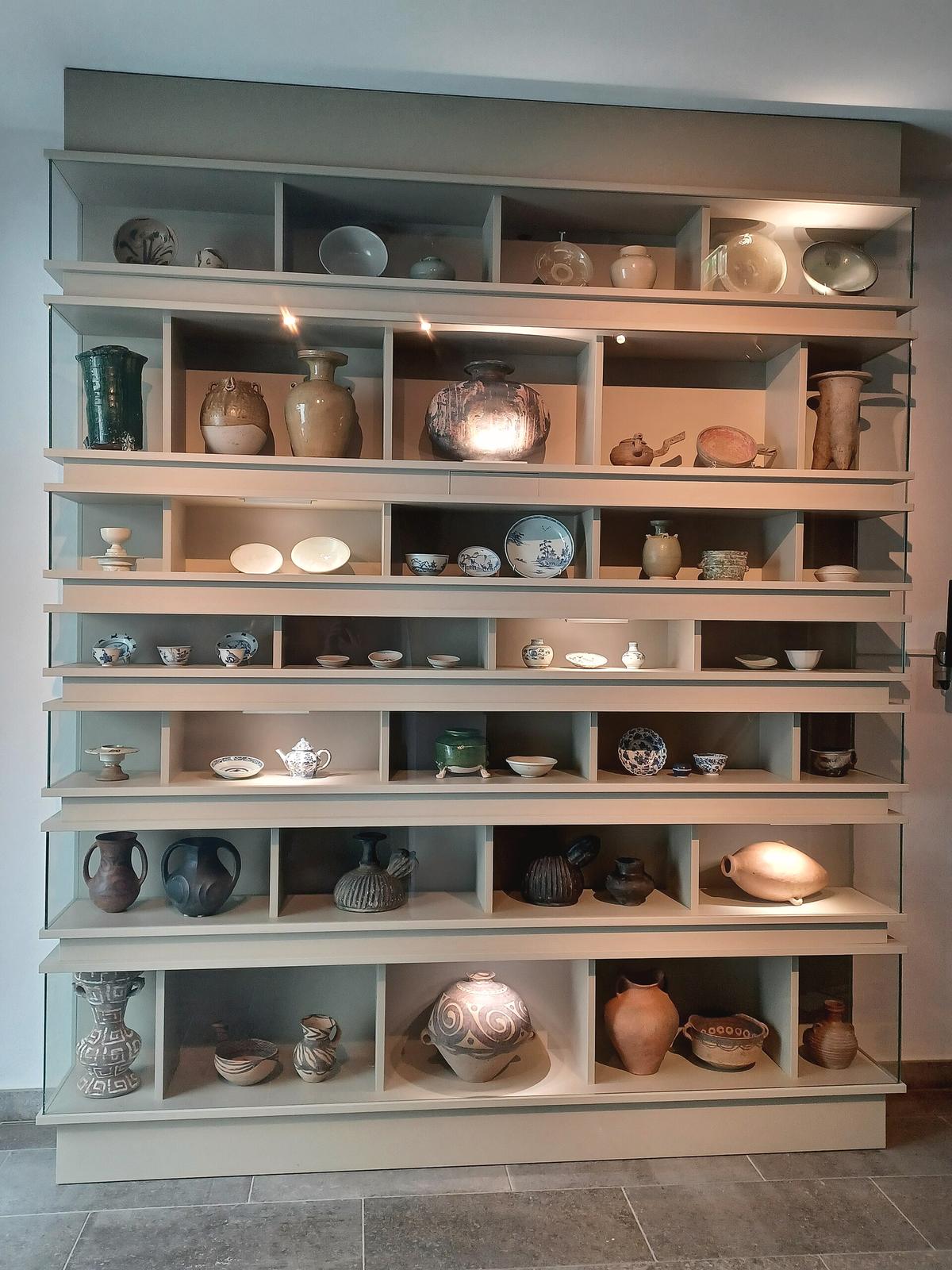
Think of an important conversation in your life. Chances are there was something to drink on the table. A coffee at a café with a friend, a cup of tea in the kitchen late at night, a mate on a bench as the sun went down. Drinks have always kept words company, and not by chance: they give our hands something to do, our silences a rhythm, our meetings a length. This article is about them, and above all about the people gathered around them.
One drink, a thousand conversations
“Shall we grab a coffee?” is rarely about the coffee. It is a way of saying: have you got a moment? Shall we talk? The drink is a gentle pretext that lowers the bar for an invitation: it is less of a commitment than dinner, it needs no reason, and you can say yes even if you only have ten minutes. And once you are sitting down, the cup creates a defined stretch of time, beginning with the first sip and ending with the last, within which anything can be talked about.
History bears this out. In seventeenth-century England, coffeehouses were called “penny universities”: for the price of a cup you could walk in, sit beside strangers and listen to debates on politics, science and trade. In Turkey, coffee culture has been inscribed since 2013 on UNESCO’s intangible heritage list as a symbol of hospitality, friendship and conversation; in the Gulf countries Arabic coffee, inscribed in 2015, is the first gesture of welcome towards a guest. In Sweden, fika, the break for coffee and something sweet, is a daily fixture, offices included.
The evolutionary psychologist Robin Dunbar, of the University of Oxford, has studied what happens when people eat and drink together. Analysing a nationally representative British sample, he found that those who share meals more often feel happier and more satisfied with their lives, trust others more and have more friends they can count on. And according to his analysis the arrow points from eating together to the bond, not the other way round: we do not sit down together only because we are friends; we also become friends because we sit down together.
Mate as a gesture of friendship
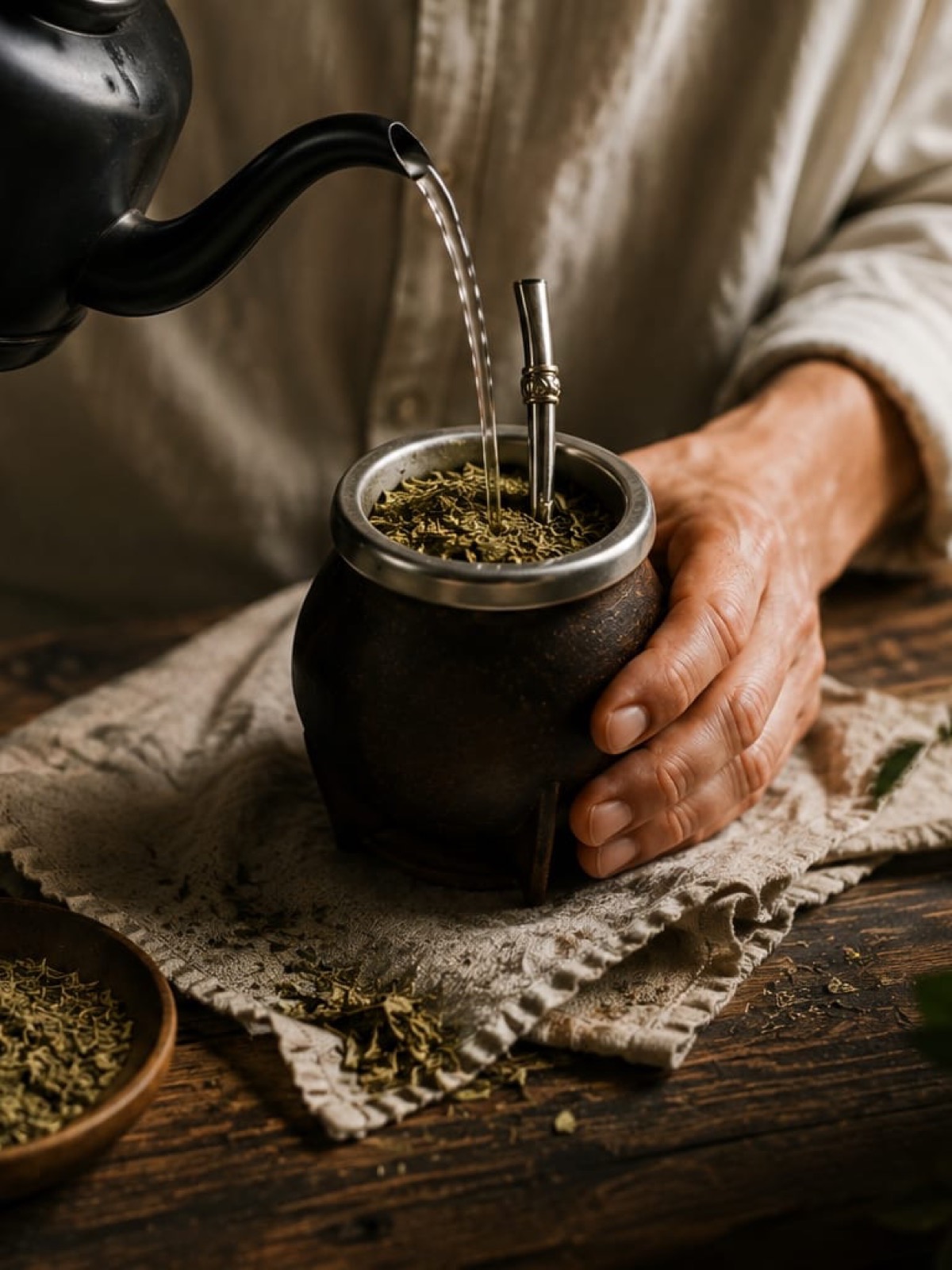
If there is one drink built around sharing, it is mate. A single vessel, a single bombilla, a cebador who prepares and serves, one at a time, everyone sitting in the circle. Each person drinks their whole mate and hands it back; the cebador fills it again and passes it to the next. No one has their own cup: everyone drinks from the same mate. It is a gesture of trust, and of equality too: in the ronda, age, role and class do not count; only your turn does.
That is why in Argentina, Uruguay, Paraguay and southern Brazil, offering a mate means welcoming someone. It is offered to the colleague who has just arrived, the neighbour passing by, the foreign guest, and turning it down for no reason can feel like a small rejection of the person. When you want no more, you simply say “thank you”, and the ronda carries on for the others. Anyone who has learnt to drink mate in a group knows that, after a few rounds, you are no longer a guest: you are part of the ronda.
Coffee with someone we haven’t seen in years
Some friendships live on long distances: a move, a job, small children, years that pass faster than expected. And then comes the day you meet again, and almost always it happens over a cup. “Let’s get a coffee” is the lightest way to reopen a door left ajar: it does not try to make up for all the lost time, it simply offers half an hour to begin.
Turkish has a much-quoted proverb: “a cup of coffee is worth forty years of friendship”. A small gesture that leaves a long memory. The Japanese tea tradition has an expression that says something similar, ichi-go ichi-e: “one time, one meeting”. Every encounter is unique and will never happen in quite the same way again, and that is why it deserves our full attention. It is a good thought to bring to the table when you see someone again after a long time.
You don’t need to make up for all the lost years. Sometimes the time it takes to drink a coffee is enough to remember why you cared for each other.
Grandmother’s cup: scents that keep memories
The barley coffee of childhood breakfasts, the tea with milk that grandmother used to make, the smell of the moka pot on a Sunday morning, the sweet mate with orange peel of an Argentine aunt. All it takes is catching that smell again, perhaps by chance, to find yourself suddenly in a kitchen thirty years ago. This is not manufactured nostalgia: it is how memory works.
Literature described it before science did. In Swann’s Way, the first volume of In Search of Lost Time, Marcel Proust describes the narrator dipping a piece of madeleine in tea and, at the first sip, suddenly rediscovering his childhood in Combray, when his aunt Léonie would give him a madeleine soaked in her lime-blossom tea. Ever since, psychologists have called the sudden memories evoked by smells and tastes the “Proust phenomenon”.
Research has partly proved him right. Studies by the psychologist Rachel Herz, of Brown University, showed that memories called up by a smell are more emotional and evocative than those called up by the same thing seen or heard, though not necessarily more accurate. And work by Simon Chu and John Downes observed that memories evoked by smells tend to go back to childhood more often. A cup, in short, can hold a person: their way of making it, their gestures, their voice.
Drinking alone doesn’t mean being lonely
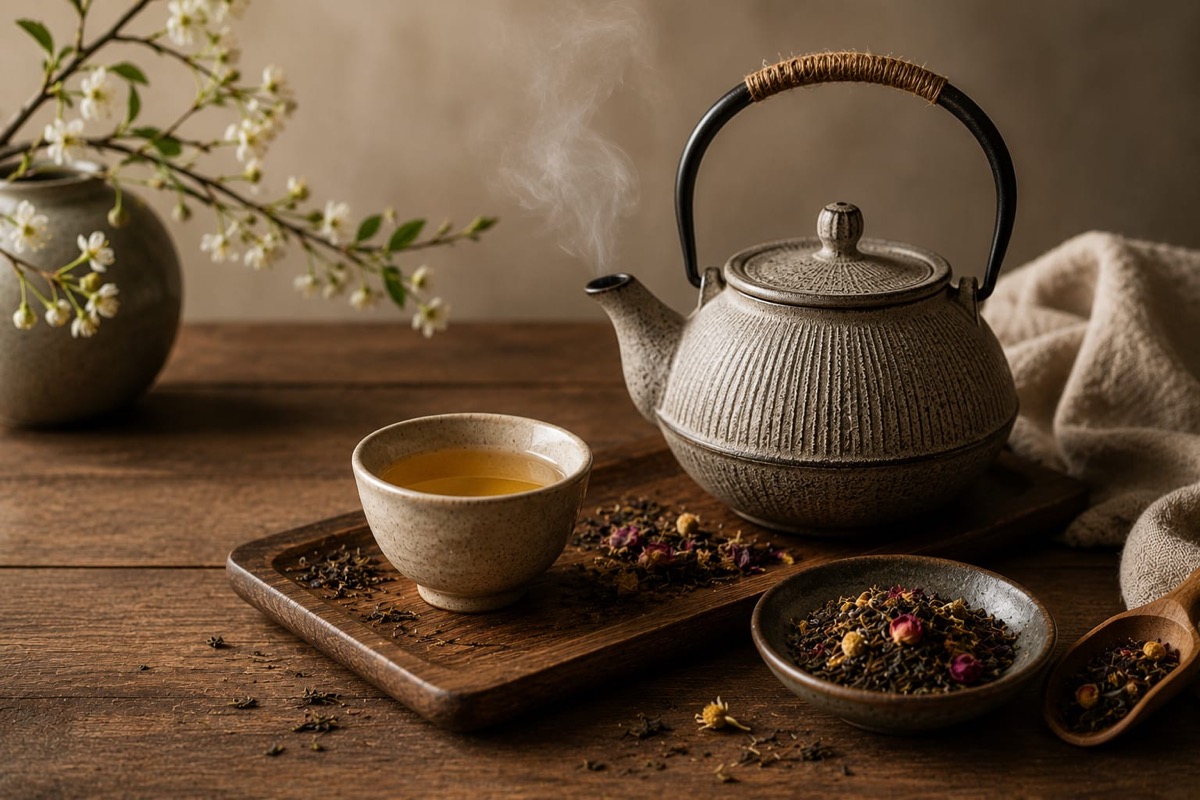
Not all rituals are made for two. There is the morning coffee before the house wakes up, the evening tea with a book, the mate made alone at the desk, turned in the hands while thinking. These moments are precious precisely because they ask nothing of anyone: no conversation, no roles, just your own time.
Psychology draws a careful line between imposed solitude and chosen solitude. A series of experiments at the University of Rochester, led by Thuy-vy Nguyen, observed that spending a few minutes alone, without a phone, dampens the more agitated emotions, positive and negative alike, and that when solitude is chosen it brings relaxation and less stress. A personal ritual, then, is not a second best: it is a way of finding your own rhythm again, so as to return to others more open.
And a personal ritual always stays open. Anyone in the habit of making mate every afternoon knows that, sooner or later, someone will sit down beside them and it will feel natural to reach out and offer them one. The solitary gesture is already ready to be shared.
The drink that keeps hard words company
There are moments when you don’t know what to say. Bad news, a bereavement, a crisis, a night when someone knocks at the door with tired eyes. In many cultures the instinctive response is the same: put the water on. In the United Kingdom, “I’ll put the kettle on” is almost a reflex in a crisis; in Italy people make a coffee, in Argentina they prepare a mate, in the Middle East tea or coffee is served to guests paying a condolence visit.
It is not a way of avoiding words: it is a way of making them possible. Making a drink gives you a few minutes to gather your thoughts, gives your hands something to do and gives the person in front of you a small, concrete sign of care. A warm cup, offered without questions, says what sentences often cannot: “I’m here, you don’t need to explain.”
The table as a meeting place
The American sociologist Ray Oldenburg used the term “third places” for those spaces that are neither home nor work, such as the bar, the café, the square, where people meet for no particular reason and where a sense of community is born. But the kitchen table can become one too: all it takes is a coffee pot in the middle, a teapot, a mate going round, for an ordinary moment to turn into a chance to be together.
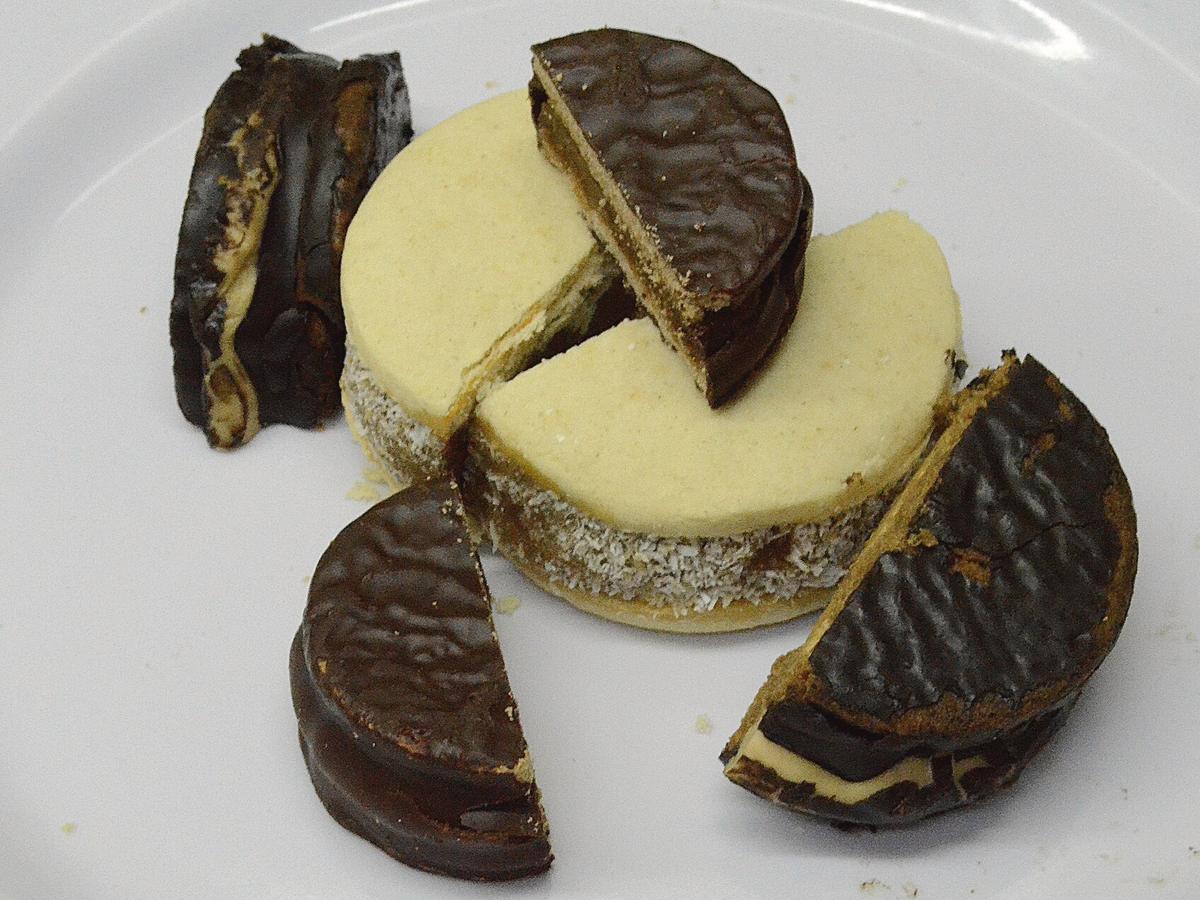
No great preparations are needed. A few biscuits, a plate of alfajores, some mismatched cups. In Argentina the merienda, the afternoon snack with mate and something sweet, is one of the moments when families come together, and the sobremesa, the time spent talking at the table after a meal, is considered as much a part of lunch as the food itself.
And it is not just a matter of pleasure. A meta-analysis published in PLOS Medicine in 2010, bringing together 148 studies and more than 300,000 people, linked strong social relationships to a 50% higher likelihood of survival over the period observed. A coffee with a friend is not a cure, but the bonds those moments nurture really do matter.
The ritual of being together
Drinks change from country to country: mate on the pampas, Turkish coffee in Istanbul, fika in Stockholm, five o’clock tea in London, an espresso at the bar counter in Italy. But the gesture underneath is always the same: making something warm and offering it to someone. It is one of the oldest and simplest ways we have of saying that a person matters to us.
Perhaps that is why we remember certain cups so well. Not for their flavour, but for who was there. Next time someone asks you “shall we grab a coffee?”, or you feel like offering a mate, remember that you are doing more than drinking: you are giving time, attention and presence. And that, in the end, is exactly what turns an everyday gesture into a ritual.
Frequently asked questions
Why do so many important conversations start over coffee?
Because a drink is a light invitation: it is less of a commitment than dinner, gives your hands something to do and creates a defined time to talk. Research by Robin Dunbar (University of Oxford) suggests that eating and drinking together strengthens social bonds, rather than merely reflecting them.
What does offering mate mean?
It means welcoming someone. With Argentine, Uruguayan and Paraguayan mate, everyone drinks from the same vessel, served in turn by the cebador: it is a gesture of trust and equality. When you want no more, you say “thank you”, and the ronda carries on for the others.
Why does the smell of a drink bring back childhood memories?
Because smells evoke particularly emotional memories: studies by Rachel Herz showed that memories called up by smell are more emotional and evocative than those called up by images or sounds, and other research suggests they go back to childhood more often. This is the so-called “Proust phenomenon”.
What is the Proust phenomenon?
It is a sudden, vivid memory evoked by a smell or a taste. It takes its name from the scene in Swann’s Way in which the narrator, dipping a madeleine in tea, suddenly recovers his memories of childhood in Combray.
Is drinking coffee alone good for you?
A personal ritual can be restorative: research by Thuy-vy Nguyen (University of Rochester) shows that a few minutes of chosen solitude, without a phone, dampens more agitated emotions and encourages relaxation. It is not isolation, as long as it stays open to being shared.
What does “ichi-go ichi-e” mean?
It is a Japanese expression tied to the tea ceremony: “one time, one meeting”. It reminds us that every encounter is unique and will never happen in quite the same way again, and that for this reason it deserves our full attention.
Sources
- Dunbar R. I. M., Breaking Bread: the Functions of Social Eating, Adaptive Human Behavior and Physiology, 2017
- UNESCO, Turkish coffee culture and tradition (2013)
- UNESCO, Arabic coffee, a symbol of generosity (2015)
- Wikipedia, English coffeehouses in the 17th and 18th centuries
- Visit Sweden, Fika like a Swede
- Instituto Nacional de la Yerba Mate, The mate and its history
- Wikipedia, Ichi-go ichi-e
- Wikipedia, Involuntary memory (Proust’s madeleine)
- Herz R. S., A naturalistic analysis of autobiographical memories triggered by olfactory, visual and auditory stimuli, Chemical Senses, 2004
- Chu S., Downes J. J., Long live Proust: the odour-cued autobiographical memory bump, Cognition, 2000
- Nguyen T. T., Ryan R. M., Deci E. L., Solitude as an Approach to Affective Self-Regulation, Personality and Social Psychology Bulletin, 2018
- Wikipedia, Tea in the United Kingdom
- Wikipedia, Third place (Ray Oldenburg)
- Holt-Lunstad J., Smith T. B., Layton J. B., Social Relationships and Mortality Risk: A Meta-analytic Review, PLOS Medicine, 2010
- IARC, IARC Monographs evaluate drinking coffee, maté, and very hot beverages, press release no. 244, 15 June 2016
The ritual continues
From the story to your cup
Carefully chosen yerba, mates and bombillas, with advice on preparing them properly.